
Name the Dinosaur!

Stegosaurus is one of the most iconic dinosaurs, and it has a feature that’s both mysterious and fascinating: its double row of bony plates along its back. These plates, which could grow up to 2 feet tall, weren’t just for show—scientists believe they may have been used for temperature regulation (acting like solar panels to absorb or release heat) or for display to attract mates or intimidate rivals. But here’s the kicker: Stegosaurus also had a weapon at the other end of its body—a thagomizer! This spiked tail, named by a cartoonist in the 1980s, was likely used to fend off predators like Allosaurus. Imagine a dinosaur swinging a spiked tail like a medieval flail—now that’s some serious prehistoric defense!
Name the Dinosaur!
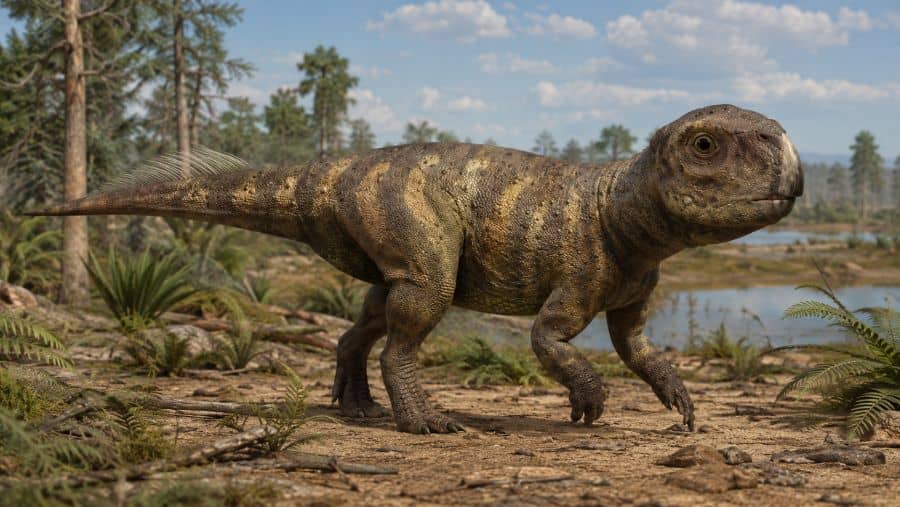
Psittacosaurus might not be as famous as some other dinosaurs, but it’s definitely one of the most interesting! Known as the “parrot lizard” because of its parrot-like beak, this small early ceratopsian lived in Asia during the Early Cretaceous period. Psittacosaurus is also one of the best-studied dinosaurs, with beautifully preserved fossils showing skin impressions and even bristle-like structures along the tail. Those bristles may have been used for display, similar to the way many modern animals use colorful feathers or crests. Its strong beak and specialized teeth helped it handle tough plant material, making this little parrot-beaked dinosaur one of the quirkiest herbivores of its time.
Name the Dinosaur!
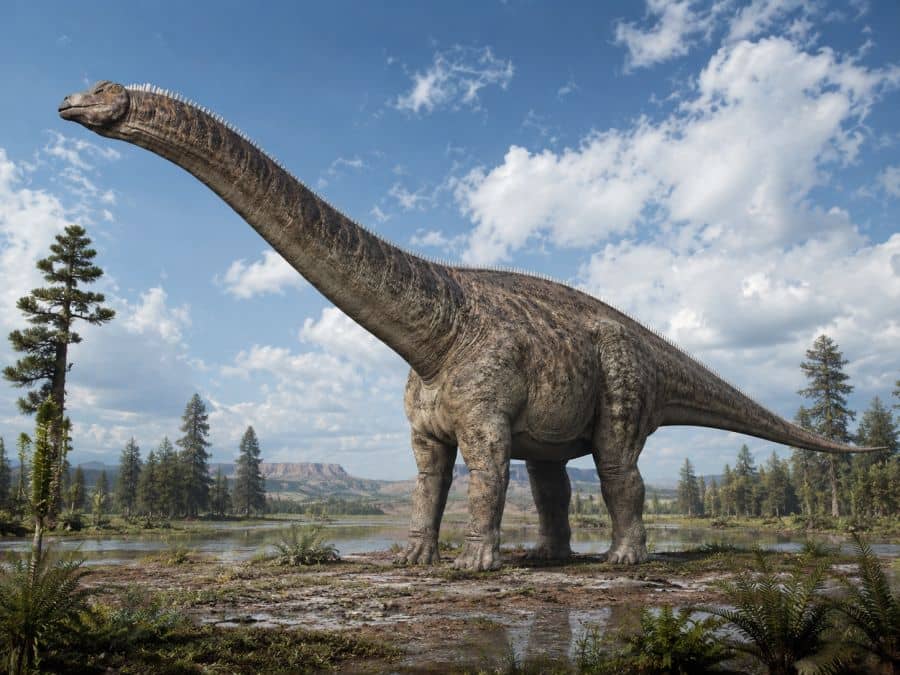
Apatosaurus, often confused with its close relative Brontosaurus, is one of the most iconic sauropod dinosaurs—and it has some fascinating features! This massive herbivore could grow over 70 feet long and weigh many tons, but despite its enormous size, it had a surprisingly small brain. Like its relative Diplodocus, Apatosaurus had a long, whip-like tail, and some scientists have suggested it may have used that tail for display, communication, or defense. Its neck was also incredibly long, but unlike older depictions showing it stretched straight upward, Apatosaurus is often reconstructed with its neck held more forward and horizontal as it browsed for plants. Imagine a heavy, long-necked giant sweeping through Jurassic floodplains—Apatosaurus was a true marvel of its time!
Name the Dinosaur!
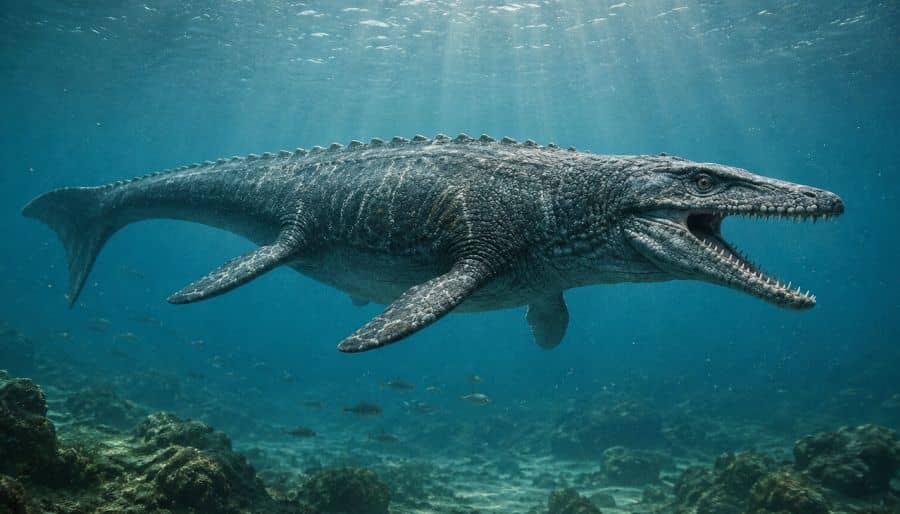
Mosasaurus was one of the most fearsome predators of the ancient oceans. This massive marine reptile could grow up to around 40–50 feet long, depending on the species, making it one of the giants of the Late Cretaceous seas. Unlike dinosaurs, Mosasaurus was a marine squamate—a relative of the broader lizard-and-snake group. It had a long, streamlined body, powerful paddle-like limbs, a strong tail, and jaws filled with sharp teeth for gripping and cutting prey. Fossil evidence suggests mosasaurs fed on fish, sharks, turtles, ammonites, and even other marine reptiles. Imagine a giant ocean predator ruling the Cretaceous seas—not a dinosaur, but a true marine monster!
Name the Dinosaur!
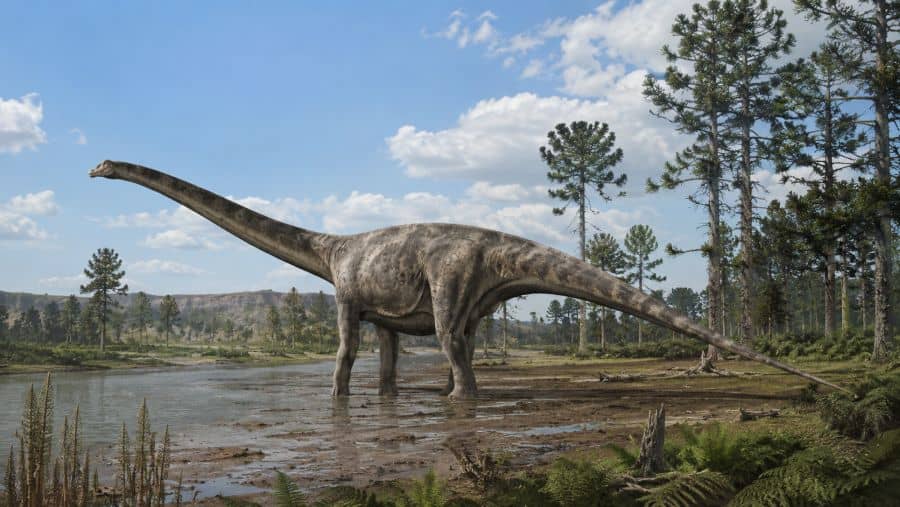
Diplodocus is one of the most iconic long-necked dinosaurs, and one of its most amazing features was its incredibly long, whip-like tail. That tail contained dozens of vertebrae and may have been used for display, defense, communication, or quick warning movements. Some scientists have even suggested that the tail could have been cracked like a bullwhip, though that idea is still debated. Diplodocus could grow over 80 feet long, with a small head and peg-like teeth near the front of its mouth that helped it strip vegetation from plants. Unlike some taller sauropods, Diplodocus is often shown with its neck held more horizontally, allowing it to browse across a wide feeding area. Part crane, part whip, and part gentle giant, Diplodocus was one of the true marvels of the Jurassic!
Advertisement
Name the Dinosaur!

Ankylosaurus is like the tank of the dinosaur world, and here’s why: this heavily armored herbivore was built like a fortress! Its body was covered in thick, bony plates called osteoderms, and it even had armored eyelids for extra protection. But the most iconic feature of Ankylosaurus was its massive tail club, made of fused bones, which it could swing like a sledgehammer to fend off predators like T. rex. Scientists estimate that the tail club could deliver blows strong enough to break bones! What’s even cooler is that Ankylosaurus had a wide, low-slung body, making it difficult for predators to flip over and attack its vulnerable underside. Imagine a dinosaur that’s part tank, part wrecking ball—Ankylosaurus was the ultimate Cretaceous defender!
Name the Dinosaur!
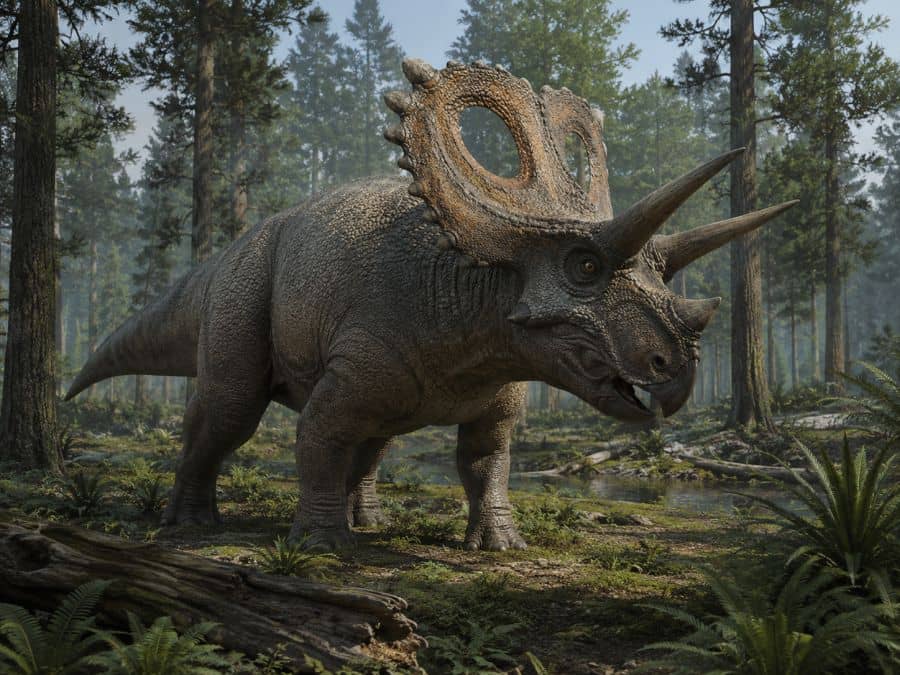
Torosaurus is a fascinating horned dinosaur that often gets overshadowed by its more famous relative, Triceratops—but it has some standout features of its own. One of the most impressive is its enormous skull, which could reach up to about 9 feet long, making it one of the largest skulls of any known land animal. Its skull had a massive, elongated frill with two large openings, which may have helped reduce the weight of such a huge structure. Some scientists have even suggested that Torosaurus might represent a fully mature form of Triceratops, though that idea is still debated. Either way, with a skull nearly the size of a small car, Torosaurus was one of the true showstoppers of the Late Cretaceous!
Name the Dinosaur!
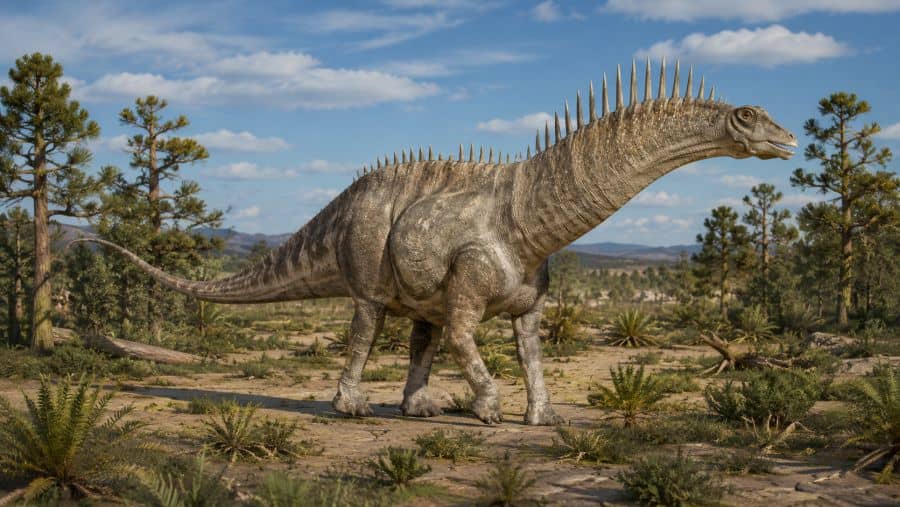
Amargasaurus is one of the most unique-looking sauropods, thanks to the double row of tall spines running along its neck and back. Some of these spines were around 2 feet long, and scientists are still debating how they looked in life. They may have supported a skin-covered sail, been covered with keratin, or formed a dramatic display structure used to impress mates or intimidate rivals. Temperature regulation has also been suggested, but display is one of the safer possibilities. Amargasaurus lived in what is now Argentina during the Early Cretaceous and was relatively small for a sauropod, reaching about 30 to 40 feet long. Compared with giants like Brachiosaurus, it was compact—but with that spiky, punk-rock silhouette, Amargasaurus was definitely one of the standout dinosaurs of its time!
Name the Dinosaur!
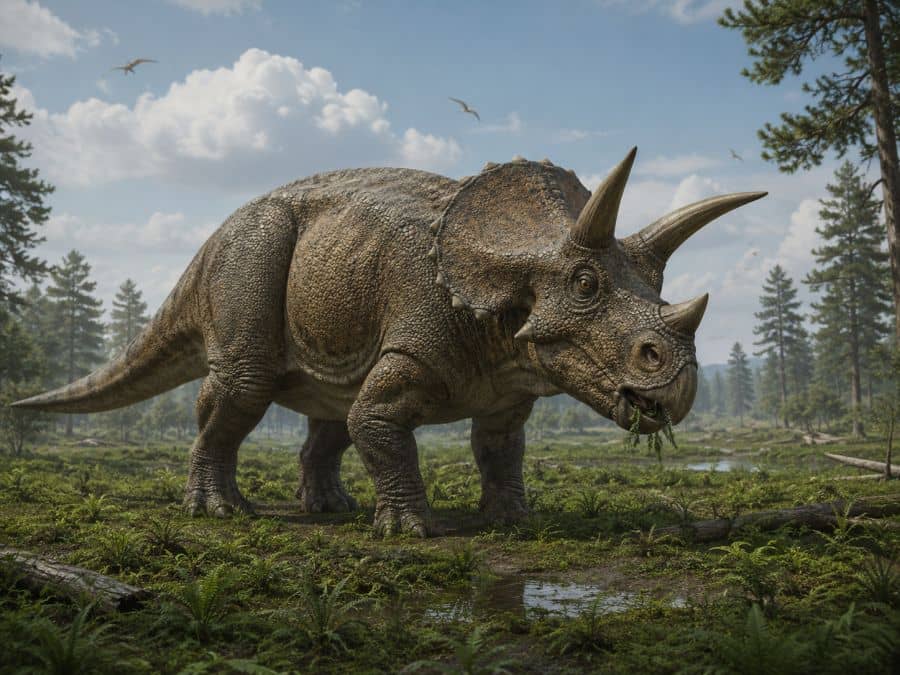
Here’s a cool fact about Triceratops: its iconic frill—the large, bony plate behind its head—may have served more than one purpose. It could have helped with display, species recognition, attracting mates, intimidating rivals, or even defense against predators like T. rex. Some scientists have also suggested that the frill and horn cores may have helped with temperature regulation because they contained blood vessels, but that idea is still debated. Its three horns were not just for show, either. Fossil evidence suggests Triceratops may have used them in battles with other Triceratops over dominance or mates, kind of like modern animals such as deer or rams. Imagine a dinosaur duel!
Name the Dinosaur!

Parasaurolophus is one of the most recognizable dinosaurs, thanks to its giant, curved crest on its head. But this crest wasn’t just for looks—it actually served as a natural trumpet! Scientists believe the hollow tubes inside the crest allowed Parasaurolophus to produce deep, resonating calls that could travel long distances. These sounds might have been used to communicate with the herd, warn of danger, or even attract mates. Imagine a dinosaur that could literally blow its own horn! What’s even cooler is that the crest’s shape and size varied between species and even between males and females, suggesting it played a role in social behavior. Parasaurolophus was basically the rockstar of the Cretaceous period!
Advertisement
Name the Dinosaur!
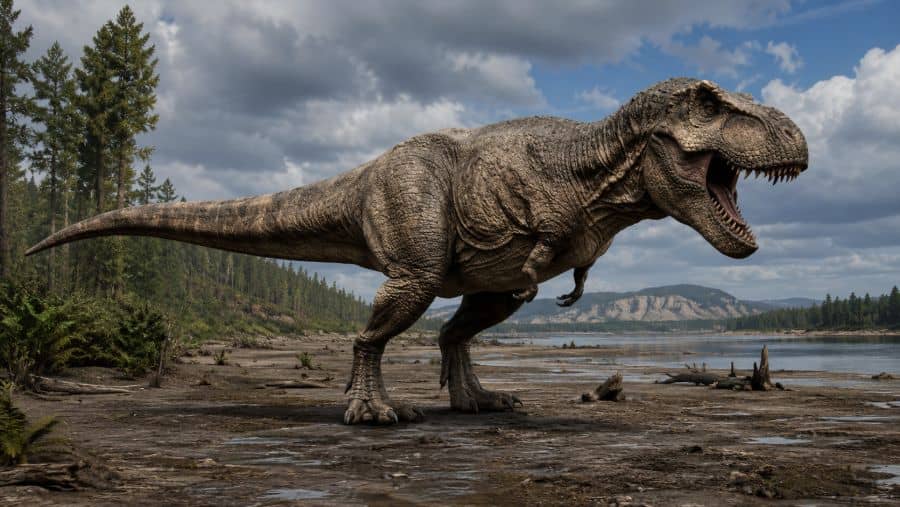
Did you know that Tyrannosaurus rex had one of the most powerful bites of any land animal that ever lived? Scientists estimate its bite force may have reached nearly 8,000 pounds—powerful enough to crush bone. To put that in perspective, a modern lion’s bite force is only a fraction of that. What’s even cooler is that T. rex could puncture and break bone thanks to its thick, banana-sized teeth, which were serrated like steak knives. This gave it a devastating bite and helped make it one of the most fearsome predators of the Late Cretaceous period!
Name the Dinosaur!
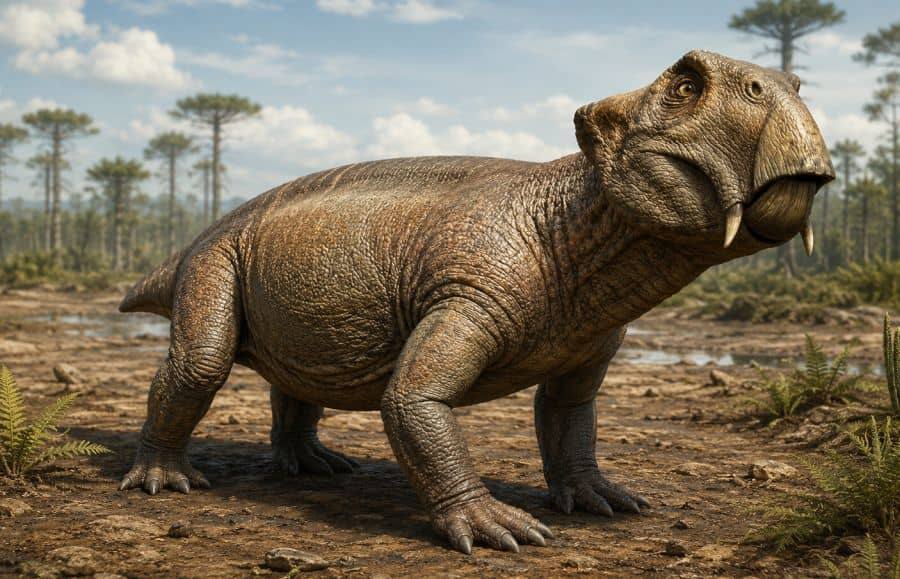
Lystrosaurus might not be as flashy as some prehistoric creatures, but it has an incredible claim to fame: it was one of the great survivors of Earth’s biggest mass extinction. This small, stocky, tusked dicynodont was a distant relative of mammals and lived around the late Permian and early Triassic periods. After the Permian–Triassic extinction event wiped out much of life on Earth, Lystrosaurus became incredibly widespread. In some Early Triassic fossil beds, its remains are overwhelmingly common, showing just how successful it was in the harsh post-extinction world. Scientists are still studying why it survived so well, but burrowing behavior, toughness, adaptability, and rapid reproduction may all have played a role. Imagine a chunky, beaked, burrowing survivor outlasting almost everything else on the planet—now that’s resilience!
Name the Dinosaur!
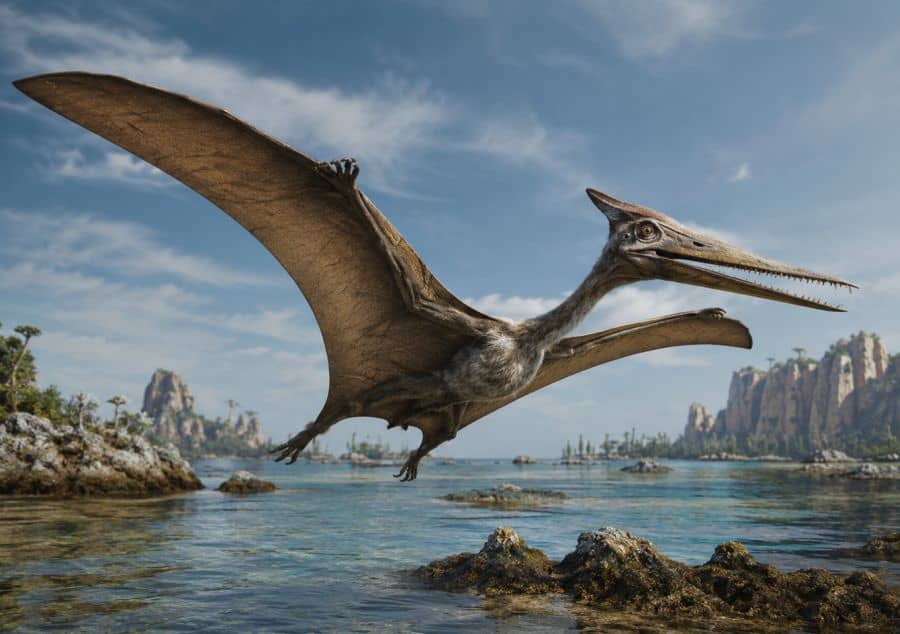
Pterodactyls are often mistaken for dinosaurs, but they were actually flying reptiles called pterosaurs. More specifically, Pterodactylus was one of the classic pterosaurs, with lightweight hollow bones, sharp teeth, and wings made from a thin membrane stretched between its body, arm, and an elongated fourth finger. Pterosaurs were the first vertebrates known to evolve powered flight, meaning they could actively flap their wings rather than simply glide. Pterodactylus was not a giant like some later pterosaurs, but with a wingspan of around 3 feet, it would still have been an impressive sight soaring over ancient coastlines during the age of dinosaurs!
Name the Dinosaur!
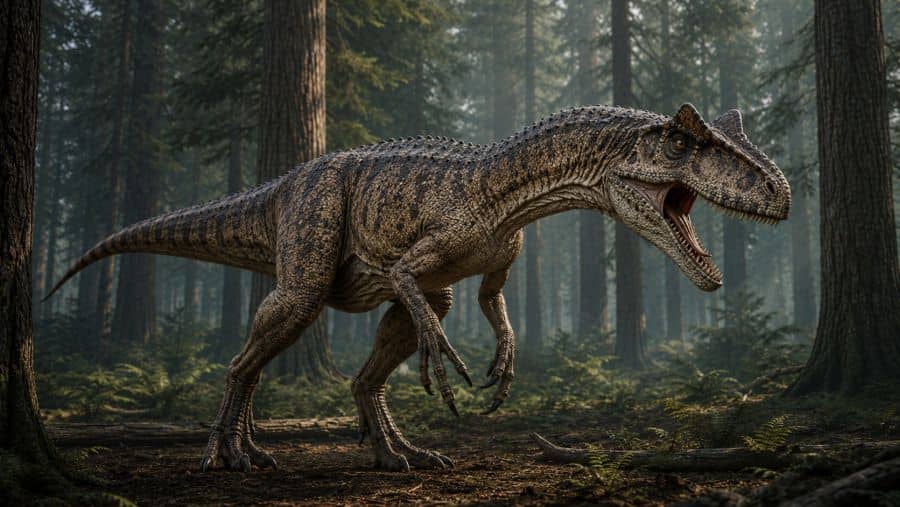
Allosaurus was one of the top predators of the Late Jurassic period, and it had some seriously cool features that made it a fearsome hunter. This large theropod could grow around 25 to 35 feet long and had sharp, serrated teeth built for slicing into flesh. One of its most fascinating traits was its skull and jaw design. Scientists have proposed that Allosaurus may have used a wide-gaping, hatchet-like biting motion, driving its upper jaw down into prey to slash and tear rather than relying only on crushing force. Allosaurus likely hunted large herbivores such as stegosaurs, ornithopods, and possibly young or vulnerable sauropods like Diplodocus. Some researchers have suggested it may have gathered or hunted in groups, but pack hunting is still debated. Either way, with its powerful body, slicing teeth, and deadly jaws, Allosaurus was one of the ultimate Jurassic nightmares!
Name the Dinosaur!
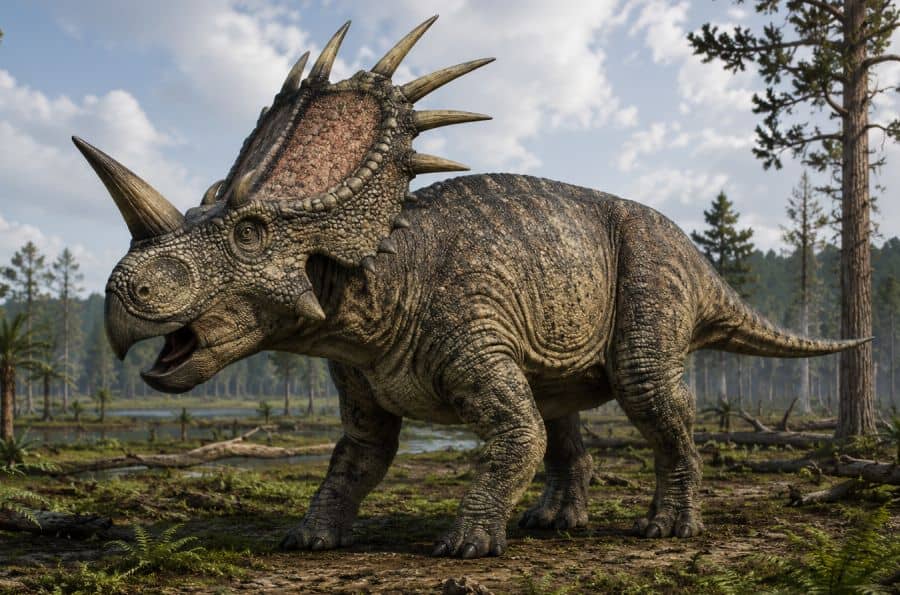
Styracosaurus is one of the most striking horned dinosaurs, thanks to its incredible head ornamentation. This Late Cretaceous ceratopsian had a large frill edged with long, spear-like spikes, along with a single massive horn on its nose. The spikes and horn may have helped with display, defense, species recognition, or competition with rivals. Styracosaurus may also have lived in groups, since multiple specimens have been found together in bone beds. Imagine a herd of these spiky-headed giants roaming the Cretaceous plains—now that’s a prehistoric biker gang!
Advertisement
Name the Dinosaur!
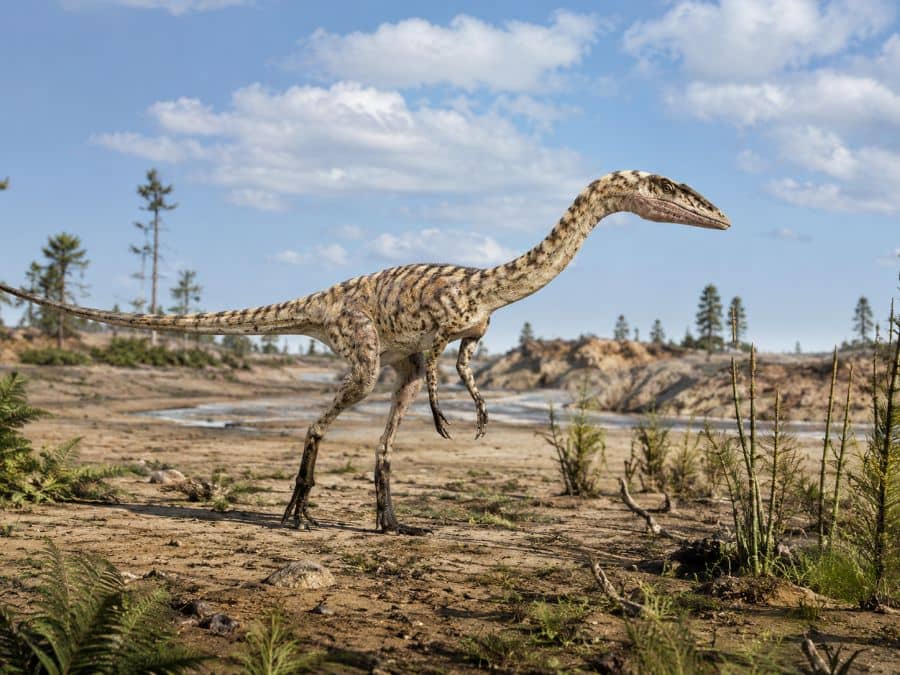
Coelophysis packs a lot of intrigue into its small size! This slender, fast-moving predator lived during the Late Triassic period and was one of the earliest well-known dinosaurs. Coelophysis is especially famous because hundreds of fossils have been found at Ghost Ranch in New Mexico, giving scientists an incredible look at this lightweight hunter. For many years, some fossils were thought to show evidence of cannibalism, but later research challenged that idea and found that the remains inside the body cavity were probably from other small reptiles, not young Coelophysis. With its long neck, narrow head, hollow bones, and quick, agile body, Coelophysis was a true pioneer of the dinosaur world.
Name the Dinosaur!
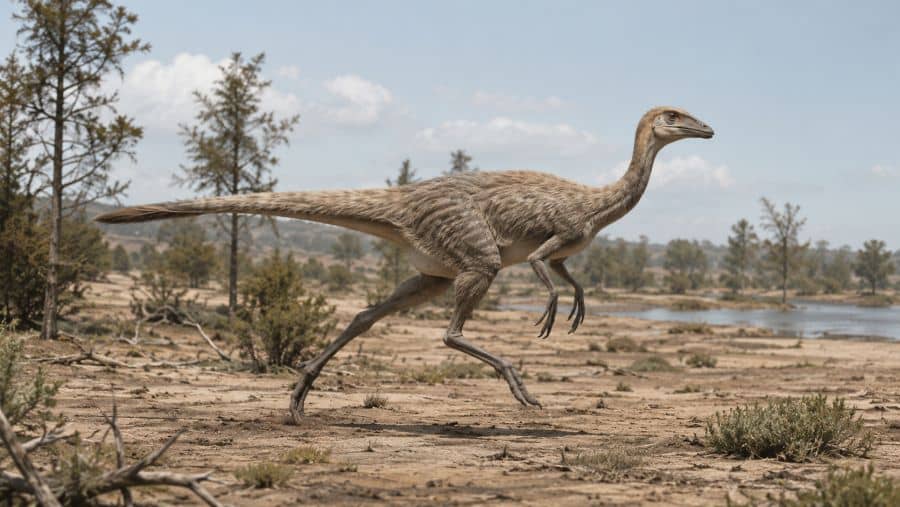
Gallimimus, whose name means “chicken mimic,” is one of the most fascinating dinosaurs because of its speed and bird-like build. This Late Cretaceous ornithomimid lived in what is now Mongolia and was built a bit like a prehistoric ostrich, with long legs, a lightweight body, a long neck, a small head, and a toothless beak. Some estimates suggest Gallimimus may have been able to run over 30 miles per hour, helping it escape large predators such as Tarbosaurus. Its diet is still debated, but it may have eaten plants, insects, small animals, or other easy-to-grab foods. Imagine a long-legged, possibly feathered dinosaur sprinting across the Cretaceous plains like a giant roadrunner — Gallimimus was one of the great speedsters of the dinosaur world!
Name the Dinosaur!

Irritator is a dinosaur with a name as intriguing as its story! This spinosaurid dinosaur, which lived during the Cretaceous period, was named "Irritator" because of the frustration scientists felt when they discovered that its fossil skull had been heavily altered by fossil dealers. They had added plaster to make it look more complete and valuable, which made it a headache to study! Despite this, Irritator is fascinating because it was a fish-eating dinosaur with a long, narrow snout and conical teeth, perfect for catching slippery prey. It also likely had a sail-like structure on its back, similar to its relative Spinosaurus. Imagine a dinosaur that’s part crocodile, part predator, and part mystery—Irritator is a true enigma of the prehistoric world!
Name the Dinosaur!
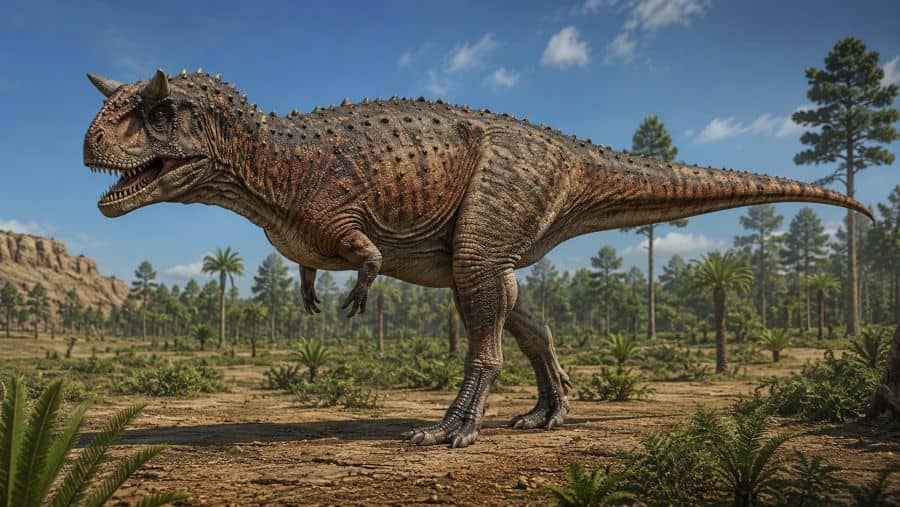
Carnotaurus, whose name means “meat-eating bull,” is one of the most unusual theropod dinosaurs. It had two thick horn-like structures above its eyes, giving it a distinctive bull-like appearance. Scientists think these horns may have been used for display, intimidation, or competition with rivals, though exactly how they were used is still debated. Carnotaurus was also built for speed, with long, powerful legs and a muscular tail that likely helped it move quickly across its Late Cretaceous environment. Fossilized skin impressions show that it had scaly skin with small bumps and larger raised features, giving us a rare glimpse of what its body covering looked like. Imagine a horned, scaly predator sprinting across ancient South America—Carnotaurus was truly one of the oddballs of the dinosaur world!
Name the Dinosaur!

Spinosaurus is one of the most unique and fascinating dinosaurs, and here’s why: it’s the largest known carnivorous dinosaur, even bigger than T. rex, and it was built like a semi-aquatic predator! Unlike most dinosaurs, Spinosaurus had adaptations for life in and around water, including long, crocodile-like jaws for catching fish, dense bones to help it dive, and paddle-shaped feet for swimming. Its most iconic feature was the enormous sail on its back, which could grow up to 7 feet tall! Scientists think this sail might have been used for display, to regulate body temperature, or even to help it steer while swimming. Imagine a dinosaur that’s part crocodile, part shark, and part sailboat—Spinosaurus was the ultimate prehistoric predator of the waterways!




Share your Results: