
The Atlantic hurricane season runs from June 1 through November 30.

The official Atlantic hurricane season runs from June 1 to November 30, when about 97% of tropical storms and hurricanes form in the Atlantic basin.
How many ACTIVE basins exist world-wide where Hurricanes / Cyclones / Typhoons can occur?
Global Tropical Cyclone Basins: 6 Primary Regions
| Basin | Active? | Notes |
|---|---|---|
| 1. Atlantic (Incl. Caribbean/Gulf of Mexico) | ✓ | Hurricanes |
| 2. Northeast Pacific (West of Mexico) | ✓ | Hurricanes |
| 3. Northwest Pacific (Incl. South China Sea) | ✓ | Typhoons (most active basin) |
| 4. North Indian Ocean (Bay of Bengal/Arabian Sea) | ✓ | Cyclones |
| 5. Southwest Pacific (Near Australia/Fiji) | ✓ | Cyclones |
| 6. South Indian Ocean (East of Africa) | ✓ | Cyclones |
| South Atlantic/Southeast Pacific | ✗ (Rare) | Only 2 confirmed South Atlantic cyclones (e.g., Catarina 2004) |
Why "6 Active Basins" is Mostly True:
- Official WMO Designation: The World Meteorological Organization recognizes these 6 as primary basins.
- Exceptions Prove the Rule: South Atlantic storms are so rare they lack naming conventions (only 1-2 per century).
Fun fact: The Mediterranean occasionally gets "medicanes" (hybrid storms), but these aren't true tropical cyclones.
The Saffir/Simpson Hurricane Wind Scale measures windspeed inside of a hurricanes. There are 5 Categories. A level 5 Hurricane has maximum winds over 131 MPH.

Level 5 Hurricanes have top winds on 155 MPH or higher. To this day, the strongest Atlantic hurricane ever recorded was Hurricane Allen (1980), with sustained winds of 190 mph (306 km/h)! However, some Pacific hurricanes, like Patricia (2015), have reached even higher winds—215 mph (345 km/h)—making them among the most intense tropical cyclones in history.
Which month of the year has the LEAST amount of Hurricane formation?
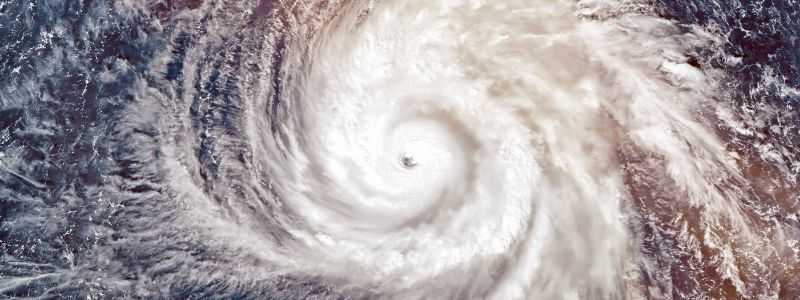
Atlantic Hurricane Frequency by Month (1851–2023)
| Month | Hurricanes Formed | Hurricanes Making U.S. Landfall |
|---|---|---|
| June | 107 | 36 |
| July | 84 | 21 |
| August | 254 | 63 |
| September | 379 | 107 |
| October | 180 | 32 |
| November | 35 | 5 |
| December–May* | 12 | 1 (Nicole, 2022) |
Key Takeaways:
- Least Active: November–May (only 47 total hurricanes in 170+ years).
- Single Quietest Month: February (0 hurricanes ever recorded).
- Peak Month: September (avg. 3 hurricanes/year).
*December–May combined due to extreme rarity. Data: NOAA/NHC historical records.
In which of the following decades (1850-2010) have the most hurricanes struck the U.S. mainland?
24 Hurricanes hit the U.S. from 1941-1950 followed by 1881-1890 with 22 - from the National Weather Service National Hurricane Center/NOAA
- 1940s: 24 hurricanes (highest)
- 1880s: 21 hurricanes
- 1890s: 19 hurricanes
- 2000s: 19 hurricanes
- 1930s, 1950s, 1960s: Around 15–17 hurricanes each
Advertisement
In recorded history (1850-2023) there have been 39 level 5 hurricanes and 4 have made landfall. Of ALL hurricanes ever formed-which strength category has the most amount of storms?
Atlantic Hurricanes by Strength (1851–2023)
| Category | Wind Speed (mph) | Total Hurricanes Formed | U.S. Landfalling Hurricanes | % That Made Landfall |
|---|---|---|---|---|
| Category 1 | 74–95 | 1,042 | 217 | 20.8% |
| Category 2 | 96–110 | 498 | 94 | 18.9% |
| Category 3 | 111–129 | 287 | 47 | 16.4% |
| Category 4 | 130–156 | 122 | 18 | 14.8% |
| Category 5 | ≥157 | 39 | 4* | 10.3% |
Key Observations:
- Total Hurricanes (1851–2023): 1,988 (all strengths)
- U.S. Landfalling Hurricanes: 380 (19.1% of all hurricanes)
- *Category 5 Landfalls:
- 1935 Labor Day Hurricane
- 1969 Camille
- 1992 Andrew
- 2018 Michael (upgraded post-analysis)
- Most Common Landfall: Category 1 (57% of all U.S. hurricane strikes)
Data sources: NOAA NHC Hurricane Reanalysis Project (HURDAT2), updated through 2023. Includes only tropical cyclones reaching hurricane strength (≥74 mph).
From 1953-1978 the United States used ONLY female names for storms.
U.S. Hurricane Naming: The Female-Only Era (1953–1978)
This statement is TRUE. From 1953 to 1978, the U.S. exclusively used female names for tropical storms and hurricanes.
Key Facts:
- 1953: First year of official naming (Atlantic storms)
- 1979: System changed to alternate male/female names after protests about gender bias
- Notable Storms:
- Hurricane Betsy (1965) - First $1B+ damage storm
- Hurricane Camille (1969) - Category 5 landfall
Naming Timeline:
| Period | Naming Convention |
|---|---|
| 1953–1978 | Female names only |
| 1979–present | Alternating male/female names |
Fun fact: The first male-named Atlantic hurricane was Hurricane Bob (1979).
What was the deadliest hurricane in the history of the United States, killing 8,000 -12,000 people?
Defining "Deadliest" Hurricanes
- Standard Definition: Fatalities directly caused by the storm (e.g., drowning, trauma).
- Galveston 1900: 8,000–12,000 deaths occurred during the storm (mostly from storm surge).
- Indirect Deaths: Modern storms (e.g., Katrina, Maria) include post-disaster fatalities (heat, medical care, etc.), but these are often tracked separately.
Key Contrast:
- Katrina (2005): ~1,200 direct deaths, but ~1,800+ total (including indirect).
- Maria (2017): ~2,975 total deaths (mostly post-storm, from infrastructure collapse).
Which two states have been hit by the MOST hurricanes?
U.S. States Hit by the Most Hurricanes (1851–2023)
- Florida (120+ direct hits) - Most vulnerable due to its peninsula location.
- Texas (60+ direct hits) - Second-most impacted, especially the Gulf Coast.
Key Notes:
- Data reflects NOAA records through December 2023.
- Florida averages a hurricane strike every 1.7 years (most frequent).
- Louisiana and North Carolina follow closely behind Texas in total strikes.
In which month do MOST hurricanes and tropical storms form in the Atlantic?
492 Tropical Storms and 335 Hurricanes have formed in the month of September followed by August-363/223 and October with 292/165 from the years 1851-2010. - from the National Weather Service National Hurricane Center/NOAA
Advertisement
What is the EARLIEST (month) an observed hurricane formation occurred?
Key Details on the March 1908 Hurricanes:
First Storm (March 6–9, 1908)
- Formed near the western Caribbean, brushed Honduras.
- Peak winds: ~75 mph (Category 1).
- No naming system, so it's just called the "March 1908 Hurricane" in records.
Second Storm (March 21–24, 1908)
- Formed east of the Lesser Antilles, stayed over open ocean.
- Also unnamed—referred to as the "Second March 1908 Hurricane".
A category 5 hurricane is the strongest storm. How many category 5 hurricanes have HIT the United States before the year 2020?
Category 5 Hurricanes That Made Landfall in the U.S. (Pre-2020)
| Hurricane | Year | Landfall Location | Peak Winds |
|---|---|---|---|
| Labor Day Hurricane | 1935 | Florida Keys | 185 mph (298 km/h) |
| Camille | 1969 | Mississippi | 175 mph (280 km/h) |
| Andrew | 1992 | Florida | 165 mph (270 km/h) |
| Michael | 2018 | Florida Panhandle | 160 mph (260 km/h) |
Key Facts:
- Total Category 5 U.S. Landfalls (Pre-2020): 4
- Strongest: 1935 Labor Day Hurricane (185 mph)
- Note: Michael (2018) was upgraded to Cat 5 post-analysis
Data source: NOAA National Hurricane Center