
What is a "Pasticiotti"?
Pasticiotti: Classic Italian Pastry
Pasticiotti (plural: pasticciotti) are traditional Italian pastries originating from Puglia (Southern Italy). These rich, cup-shaped treats feature:
- Shell: Sweet, flaky shortcrust pastry (pasta frolla)
- Filling: Typically pastry cream (vanilla or chocolate) or ricotta cheese
- Appearance: Oval-shaped with a golden crust, often dusted with powdered sugar
Key Details:
- Served warm (often for breakfast or with coffee)
- Regional variations: Some versions include cherry jam or lemon cream
- Fun fact: The name comes from "pasticcio" ("mess" or "pie"), referencing their rustic preparation
Pro tip: Best enjoyed fresh from local pasticcerie (Italian bakeries) in Puglia!
Could you have a complete conversation with your hands in your pockets?

Italian is a rhythmic, melodic language—hands enhance emotion (like a musical conductor). Some linguists argue up to 60% of Italian communication is nonverbal. There’s an official "Dictionary of Italian Gestures" with over 250 entries!
Which of these is NOT an Italian food/meal ?
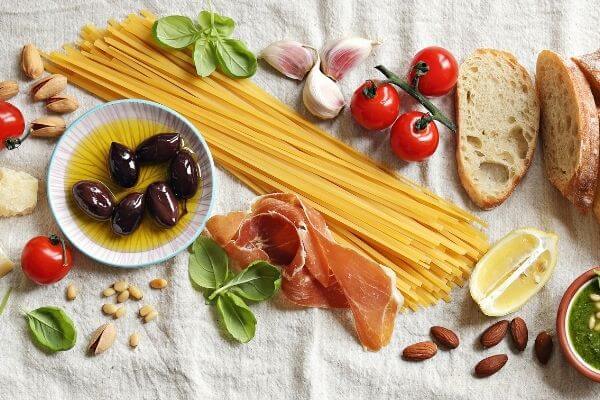
Among these foods, baklava is not Italian. Here's the breakdown:
- Arancini – Sicilian fried rice balls
- Sfogliatelle – Neapolitan layered pastries
- Ossobuco alla Milanese – Braised veal shanks from Milan
- Baklava – Middle Eastern/Mediterranean (Greek/Turkish origin)
While baklava is enjoyed in some southern Italian regions due to historical influences, it's not native to Italian cuisine.
How do you say "how are you" in Italian?

Answer Explanation:
The correct answer is: "Come stai?"
- Come stai? = "How are you?" (informal)
Other options translated:
- Dove sono i biscotti? = "Where are the cookies?"
- Il mio gatto balla! = "My cat dances!"
- Piove a catinelle! = "It's raining buckets!" (idiomatic expression)
Bonus tip: For formal situations, you would say "Come sta?" instead.
Corsica, Sicily and Sardinia are all part of Italy.
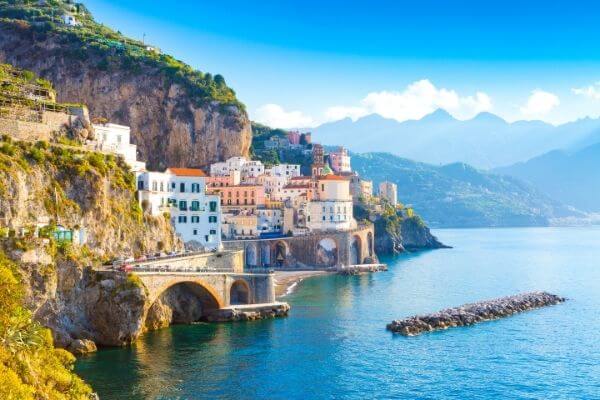
While Sicily and Sardinia are part of Italy, Corsica is an island that belongs to France.
Here's a quick breakdown:
- Sicily – Largest island in the Mediterranean, an autonomous region of Italy.
- Sardinia – Second-largest island in the Mediterranean, also an autonomous region of Italy.
- Corsica – Geographically close to Sardinia but politically part of France, with a special territorial status.
So, only two out of the three islands are Italian.
Advertisement
The "Feast of the Seven Fishes" is a meal eaten on Christmas Eve that originated in Italy.
The Feast of the Seven Fishes (La Festa dei Sette Pesci)
In Italy:
- Not a nationwide tradition - mostly unknown in most regions
- Some Southern coastal areas (especially Calabria/Campania) have Christmas Eve seafood meals
- Typically features fewer than seven fish dishes (often 3-5)
- Called "La Vigilia di Natale" (The Christmas Vigil) rather than "Seven Fishes"
Italian-American Tradition:
- Evolved from Southern Italian customs but became its own phenomenon
- The "seven" became symbolic (representing sacraments, days of creation, etc.)
- Features elaborate multi-course meals with exactly seven seafood dishes
- Popularized by 20th century Italian immigrants, especially in New York/New Jersey
The Main Difference:
While Italians eat seafood on Christmas Eve for Catholic abstinence from meat, the specific "seven fishes" structure and name is an Italian-American innovation.
How many days a week do you eat pasta?
Italian Pasta Habits
- Most Italians eat pasta daily, typically at lunch
- Average consumption: 5-6 times per week
- Usually served as primo piatto (first course) in moderate portions (80-100g)
- North: Less frequent (more rice/polenta)
- South: Often twice daily
Did you know? Italians eat 23kg of pasta per year - more than any other country!
Which one is the Italian flag?
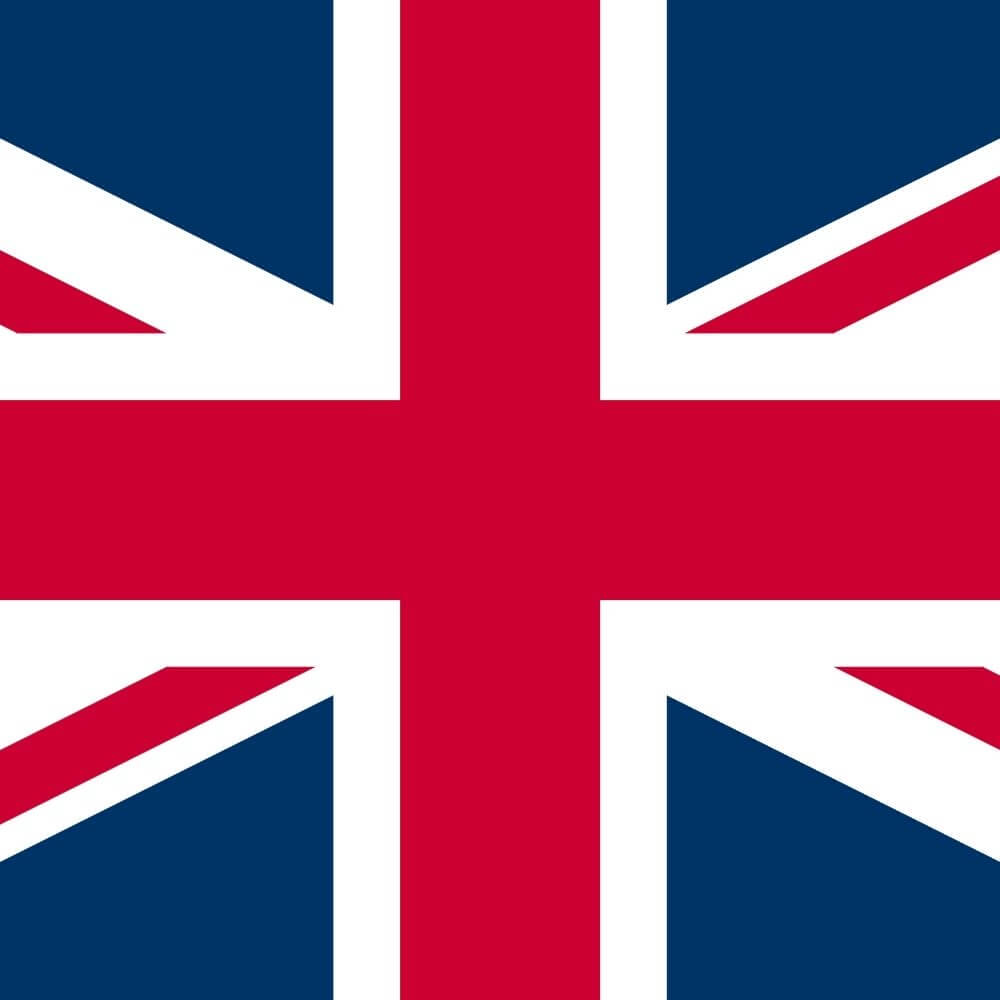
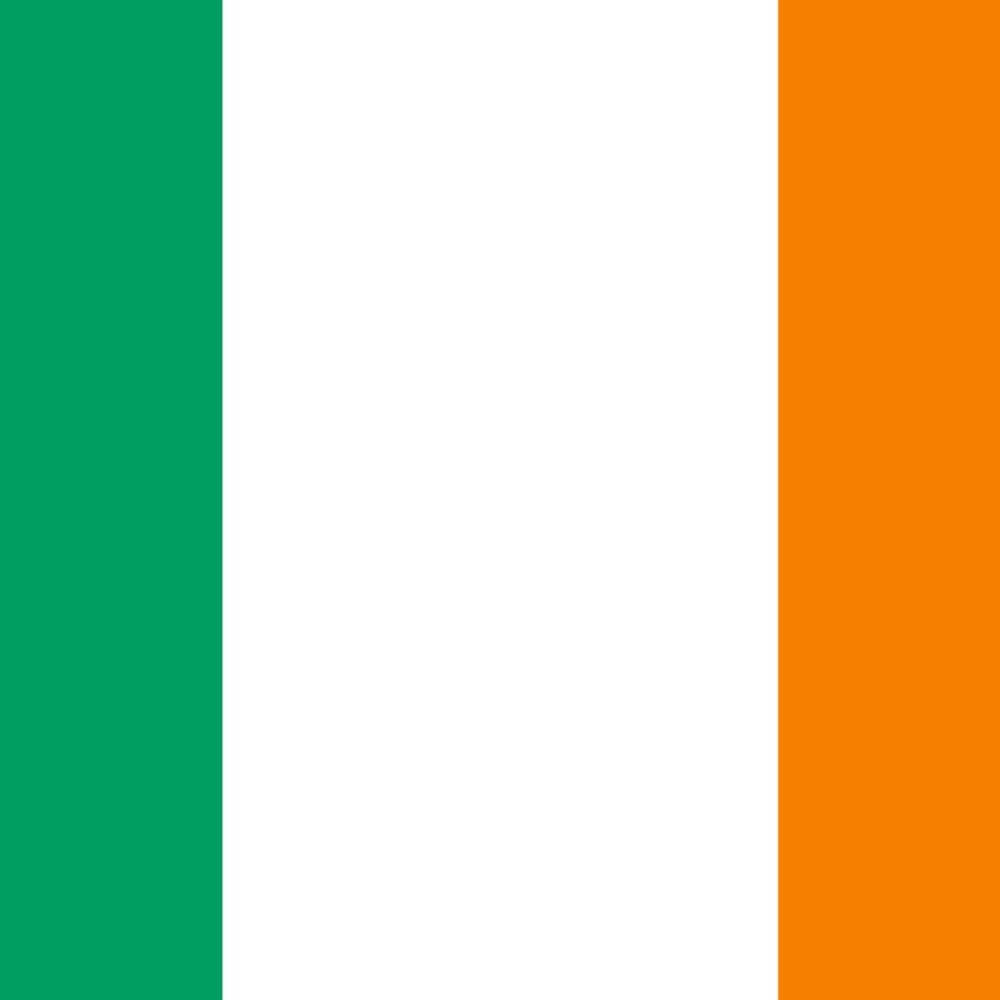
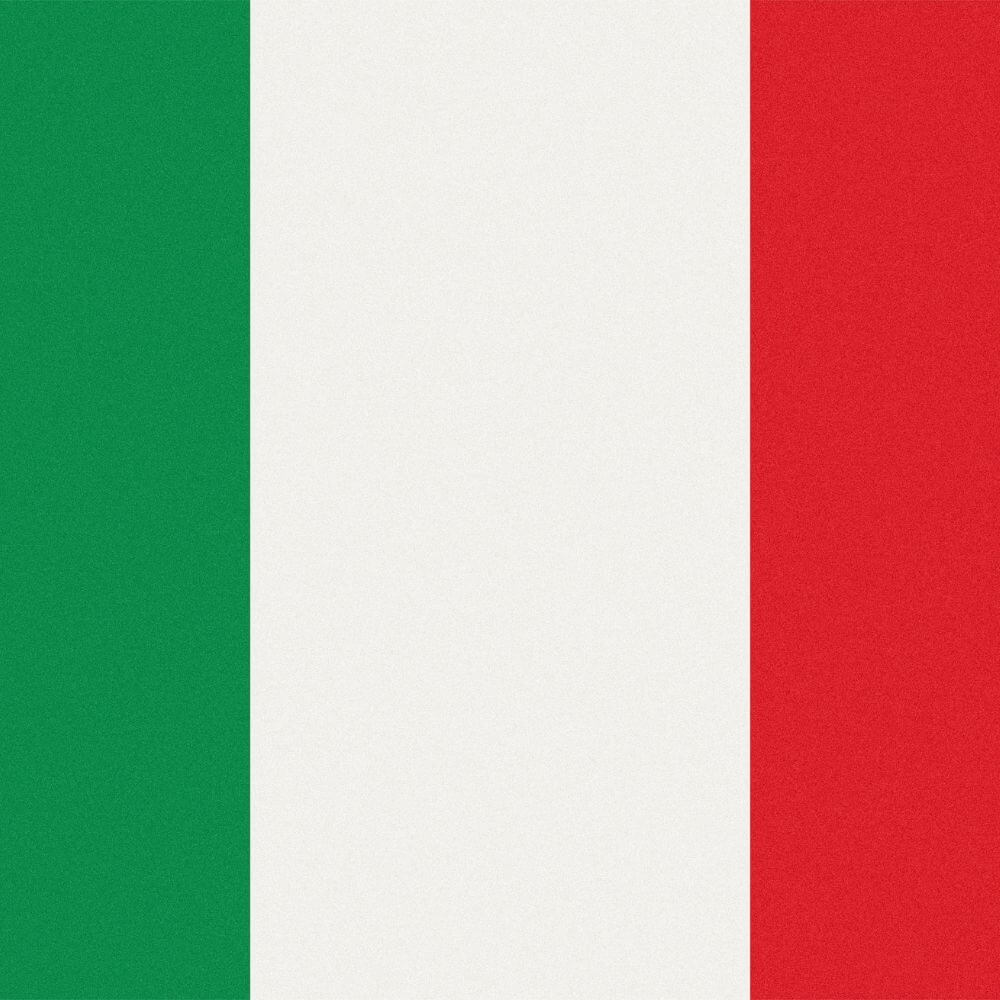
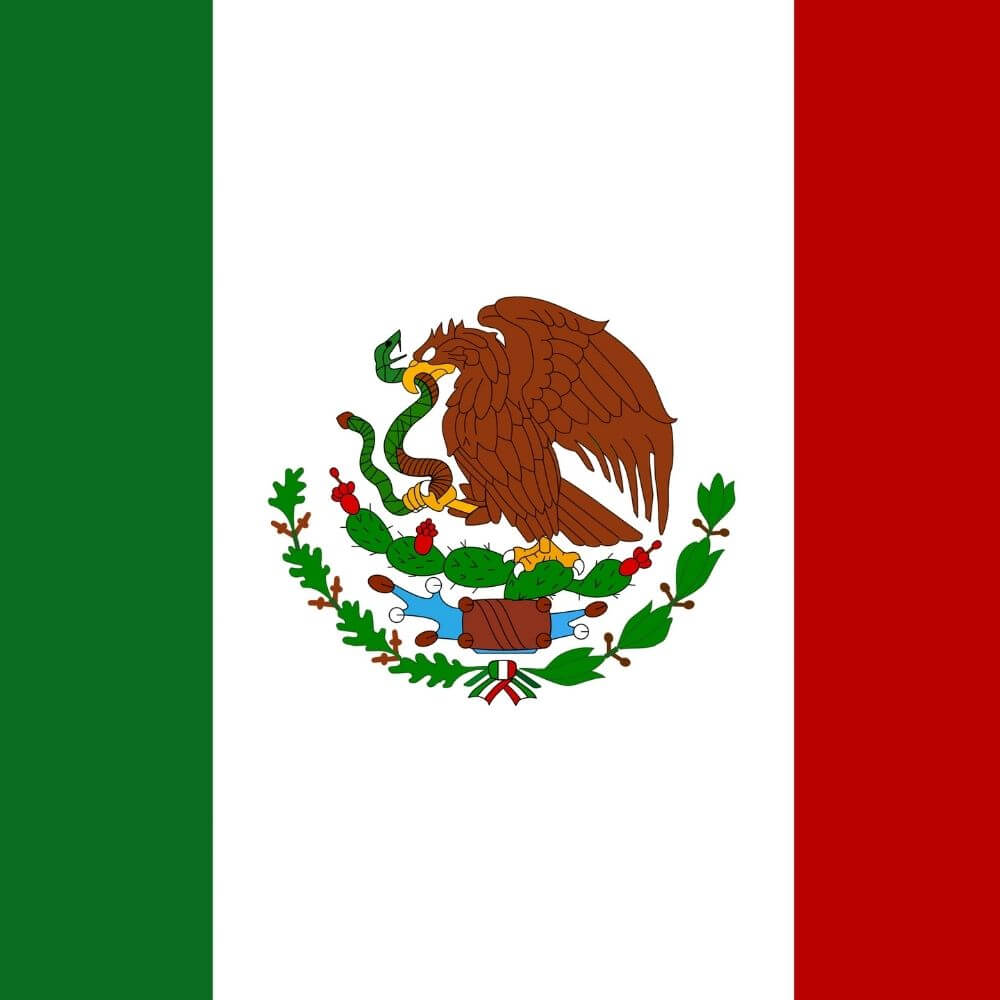
Fun Fact About the Italian Flag
The three colors of the Italian flag (green, white, and red) each have symbolic meanings:
- Green represents hope and the country's landscapes
- White symbolizes faith and the snowy Alps
- Red stands for love and the blood shed for independence
Bonus trivia: The current design was officially adopted on June 18, 1946 when Italy became a republic!
Would you consider yourself "Stunad"?
"Stunad" (also spelled stunato, stunod) is Italian-American slang derived from Southern Italian dialects (likely Neapolitan or Sicilian). It comes from the Italian word "stonato", which literally means "out of tune" but is used colloquially to mean:
Meanings:
-
"Stupid" or "idiot" – Like calling someone a dumb or clueless person.
"Don't listen to him, he's a stunad!" -
"Crazy" or "out of it" – Can imply someone is acting foolish or spaced out.
"You drove without gas? Are you stunad?!"
Have you ever been to the "baccausa"?

"Beckausu" – The Italian-American Bathroom Slang
Pronunciation: "bec-cow-sue" (Americanized Italian accent)
Origin Story:
- Derived from English "back house" (outdoor toilet)
- Morphed by Southern Italian immigrants in early 20th century America
- Particularly common in New York/New Jersey Italian-American communities
Advertisement
If you went to Italy and someone showed you an "ombrello" and said "vaffunculo" - how would you react?

The "Gesto dell'Ombrello" + "Vaffanculo" Combo
If someone shows you "il gesto dell'ombrello" (the umbrella gesture) while saying "vaffanculo", here's what's happening:
The Gesture:
- One hand slaps the crook of the opposite elbow while raising that arm
- Means: "Up yours!" or "Screw you!"
- One of Italy's most offensive insults
The Phrase:
- "Vaffanculo" = Extreme version of "Go to hell!"
- Literally means "Go do it in the a**"
How to React:
- Don't smile/laugh (this isn't a joke)
- Avoid eye contact and walk away if possible
- If you must respond, say calmly: "Non c'è bisogno di essere maleducato" ("No need to be rude")
- Never return the gesture unless you want serious confrontation
Cultural Warning: This combination is what Italians call "un insulto completo" - both verbal and physical insult. It's only used in extreme anger situations.
What time is dinner on Sunday?
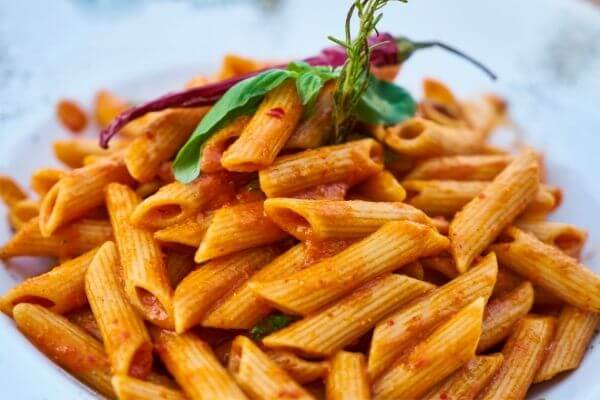
Italian Sunday Dinner Traditions
Typical Sunday Meal Times:
- Yes, earlier than weekdays - Usually around 1:00-2:30 PM
- Considered the main meal of the week (il pranzo della domenica)
- Often lasts 2-3 hours with multiple courses
Common Sunday Dishes:
- Fresh pasta (like lasagna or tagliatelle al ragù)
- Roasted meats (arrosto)
- Special desserts (like tiramisù or pastiera in Naples)
Why Earlier?
- Allows extended family to gather after morning Mass
- More time for afternoon relaxation (riposo)
- Historically gave housewives time to prepare elaborate meals
Note: Modern schedules have made this slightly later in urban areas, but the tradition remains strong in smaller towns.