
Identify the Parrot!
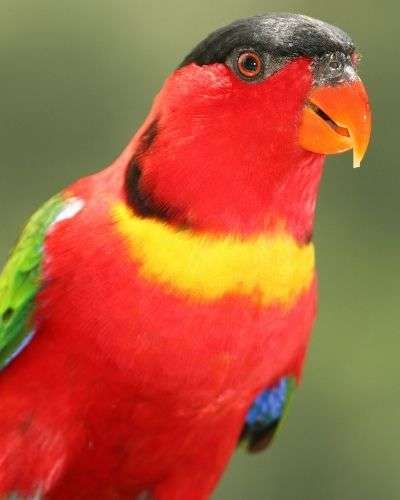
This lory has a brilliant red body with a striking yellow "bib" on its chest, but what’s really cool is its brush-tipped tongue—perfect for slurping up nectar, pollen, and soft fruits! They’re like nature’s little living paintbrushes!
The Yellow-bibbed Lory can mimic speech, but they’re not chatterboxes like some parrots! These clever birds pick up a few words or sounds (like whistles or laughter) with a squeaky, high-pitched voice—especially if trained with treats and repetition. However, they’re far louder and messier than most talkers, preferring energetic screeches and splattery nectar meals over polite conversation.
Identify the Parrot!
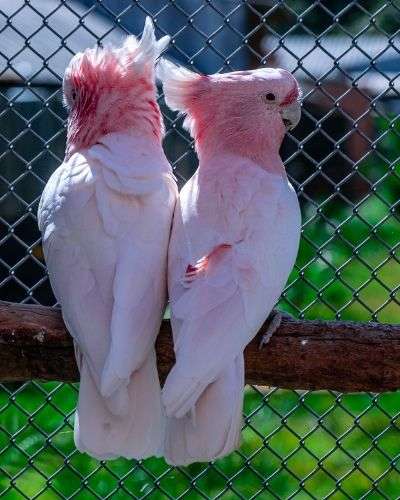
The Major Mitchell’s Cockatoo (also called the Pink Cockatoo) is one of the most stunning parrots in the world—its soft pink plumage, fiery red-and-yellow crest, and playful personality make it look like a living sunset!
While not the most skilled talkers, they can mimic a few words and sounds, often with a scratchy, comical voice. They’re much better at whistling, screeching, and learning tricks than forming clear sentences. If you want a chatty bird, this one’s more about dazzling looks than deep conversation!
Identify the Parrot!
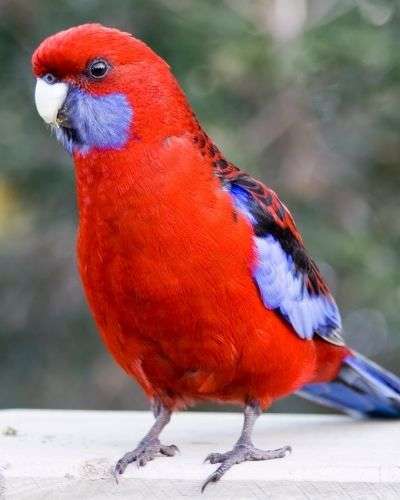
The Crimson Rosella is a dazzling Aussie icon with deep crimson plumage, electric blue cheeks, and black-scalloped wings—like a bird dipped in crushed rubies and sapphires! These sleek parrots "paint" forests red across eastern Australia, often appearing so vibrantly that early settlers thought they were flaming escapees from the tropics!
While not champion talkers, they can mimic whistles, short phrases, or sounds (like laughter or alarms) with a charmingly raspy voice. But they’re masters of ambient noise—expect dramatic screeches, melodic chirps, and the occasional whispered "hello".
Identify the Parrot!
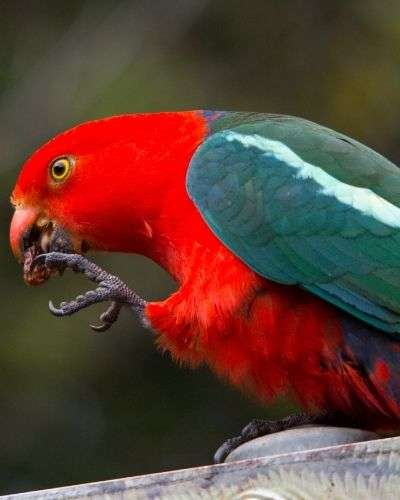
The Australian King Parrot is a regal stunner with males flaunting a fiery crimson head and chest, emerald-green wings, and a sapphire-blue rump—like a bird dressed in royal velvet! Females rock a more subtle but equally elegant green-and-orange ensemble.
While not known for extensive vocabularies, they can mimic whistles and a few words—usually in a soft, husky voice. But they’d much rather impress you with their gentle demeanor and knack for calmly perching on shoulders like feathered nobility.
They’re one of the few parrots where males and females look dramatically different—no confusing this king and queen!
Identify the Parrot!
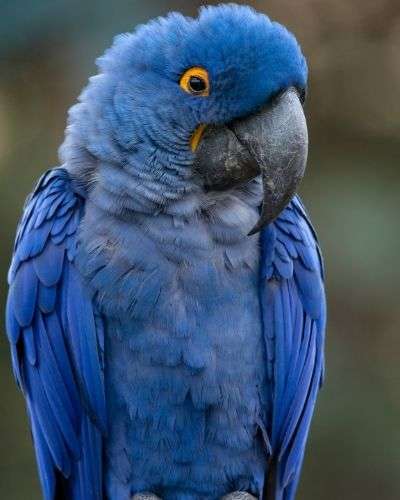
The Lear’s Macaw (also called the Indigo Macaw) is a dazzling, all-blue parrot with a powerful beak—but unlike its larger cousin, the Hyacinth Macaw, it has striking yellow-orange skin around its eyes and beak, making it look like it’s wearing stylish sunglasses!
Lear’s Macaws can mimic speech, but they’re not as vocal as other macaws (like the Blue-and-Gold). They’re more likely to produce loud squawks, whistles, or simple words rather than full sentences.
They’re critically endangered—fewer than 1,500 exist in the wild!
Advertisement
Identify the Parrot!
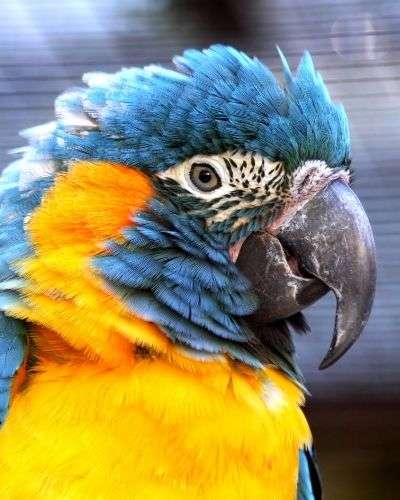
The Blue-throated Macaw is a rare gem of the parrot world, sporting a vibrant turquoise throat patch, sunny yellow chest, and striking navy-blue wings—like a tropical sunset trapped in feathers! Found only in Bolivia’s savannas, these social goofballs are known for their playful "anting" behavior—rubbing ants on their feathers (possibly to ward off parasites or just for fun!).
These macaws are excellent mimics with clear, loud voices—capable of learning phrases, laughter, and even contextual speech. But they’re selective talkers; they’ll chatter more for bonded humans, often mixing words with their signature honks and squawks.
With fewer than 500 left in the wild, they’re rarer than pandas!
Identify the Parrot!
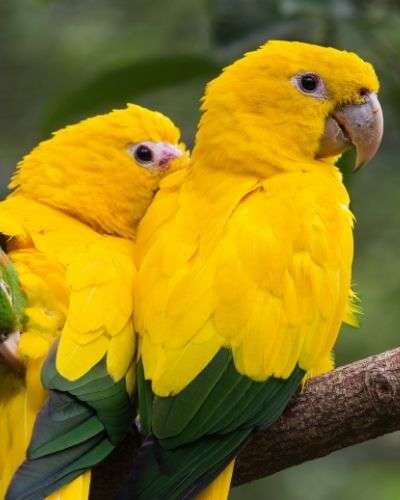
The Golden Conure (or Queen of Bavaria Conure) is a dazzling, solid-gold parrot with a vibrant green wing edge—like a tiny, feathered sun god! Native to Brazil, these rare birds are so radiant that they’re often called "living jewels."
They’re moderate talkers—able to learn a few words or phrases with a cute, raspy voice, but they’re more into whistling, mimicking sounds, and screaming their enthusiasm than holding a conversation.
They’re endangered, with only about 1,000 left in the wild—making them as precious as their golden feathers!
Identify the Parrot!
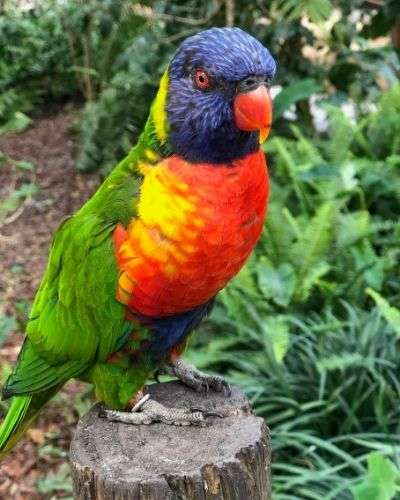
The Green-naped Lorikeet is a vibrant, confetti-colored parrot with a bright red beak, emerald-green "scarf" (nape), and a rainbow splash of blue, orange, and yellow feathers—like a flying bag of Skittles!
These social chatterboxes can mimic words and sounds, but they’re better at ear-splitting screeches and whistles than clear speech. With training, they might pick up a few high-pitched phrases, but don’t expect eloquent conversation—just goofy noises and relentless energy!
Identify the Parrot!
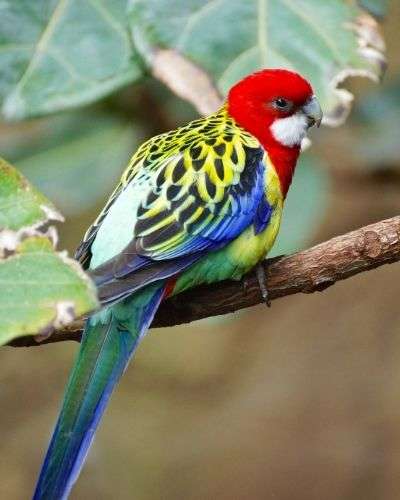
The Eastern Rosella is a pint-sized kaleidoscope of color, with crimson head feathers, bright yellow cheeks, and a confetti explosion of green, blue, and black on its wings and back—like a parrot dressed for a carnival! Native to Australia, these sleek, slender parrots are expert seed-crackers and love to forage on the ground.
While they can mimic human speech, they’re notorious for being hit-or-miss talkers—some might learn a word or two (often in a whispery, robotic tone), but most prefer whistling, chirping, or imitating household sounds like doorbells.
They’re one of the few parrots that can blush! Their pale cheeks turn pink when excited or stressed.
Identify the Parrot!
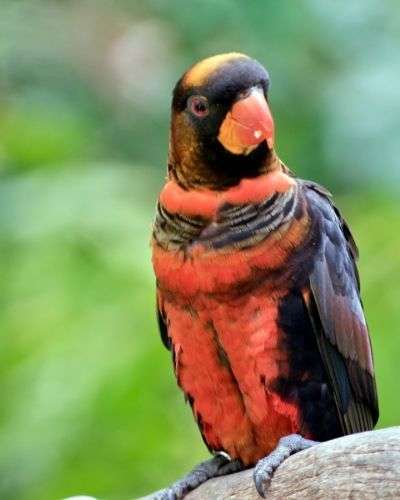
The Dusky Lory is a moody-looking but mischievous parrot with a dark, sooty-black body splashed with fiery orange and yellow patches—like a little flying ember! Native to New Guinea, these bold, energetic clowns love to hang upside down and dance, earning them the nickname "goth lorikeets" for their dramatic colors and playful antics.
They’re decent mimics—capable of learning short phrases or sounds (often in a comically squeaky voice), but they’re far louder and more screechy than articulate. Expect chaotic chatter, whistles, and ear-piercing "conversations" over proper words.
Advertisement
Identify the Parrot!
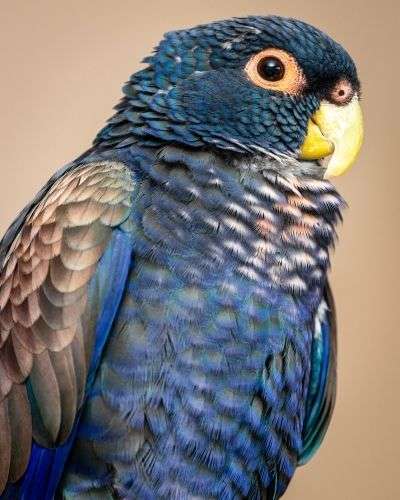
The Crimson Rosella is a dazzling Aussie icon with deep crimson plumage, electric blue cheeks, and black-scalloped wings—like a bird dipped in crushed rubies and sapphires!
They’re capable but modest talkers, preferring soft, mumbled words or whistles over loud chatter. Their voice sounds oddly robotic (think R2-D2 with a cold! ). While not as flashy as other parrots, their calm demeanor and eerie, beautiful mimicry of electronic sounds (like microwaves or phones) make them stealthy geniuses.
Identify the Parrot!
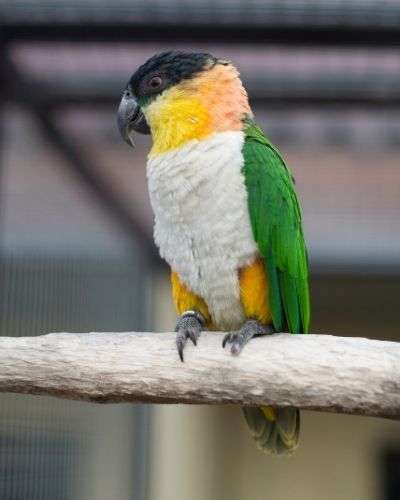
The Black-headed Caique is a pint-sized parrot with the energy of a toddler on a sugar rush! With a jet-black cap, bright orange-yellow head, and emerald-green wings, they look like a living highlighter marker. These Brazilian clowns are famous for their "hopping" locomotion—they bounce on branches (and floors!) like tiny, feathered kangaroos.
While not the most articulate talkers, they can learn a few words or sounds (often in a silly, high-pitched voice). But their real talent? Sound effects! Expect impeccable whistles, sneezes, and microwave beeps—plus endless non-verbal comedy, like rolling on their backs with toys.
They’re sometimes called "dancing parrots" for their love of bopping to music!