
When a dog is overheated and actively panting, its sense of smell is increased by as much as 20%-similar to "fight or flight" in humans.
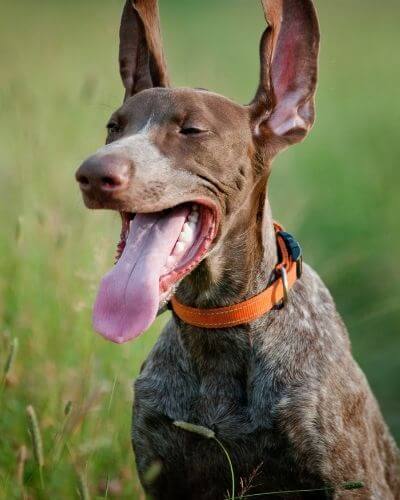


False! Here's what actually happens with a dog's sense of smell when panting:
The Science of Panting & Smell:
- Decreased smell sensitivity: Panting actually reduces a dog's ability to smell because they're breathing through their mouth rather than nose.
- Thermoregulation priority: When overheating, cooling takes precedence over scent detection.
- Moisture matters: A dog's nose needs to stay moist for optimal smell function - panting dries it out.
Fun Fact: Dogs have a special "olfactory recess" in their nasal cavity that allows them to store smells while exhaling, but this function is impaired during heavy panting!
Dogs sweat through the pads of their feet.
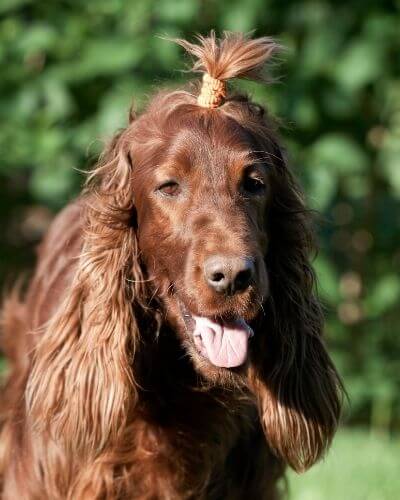
True! But there's more to the story:
How Dogs Sweat:
- Primary cooling: Dogs mainly regulate temperature through panting (not sweating like humans)
- Limited sweating: They do have sweat glands in their paw pads, but these play a minor role
- Other glands: Dogs also have apocrine sweat glands all over their body, but these are for scent marking, not cooling
Why It Matters: This is why dogs overheat so easily in hot weather - their cooling system is much less efficient than humans'!
A puppy is born blind, deaf, and toothless.
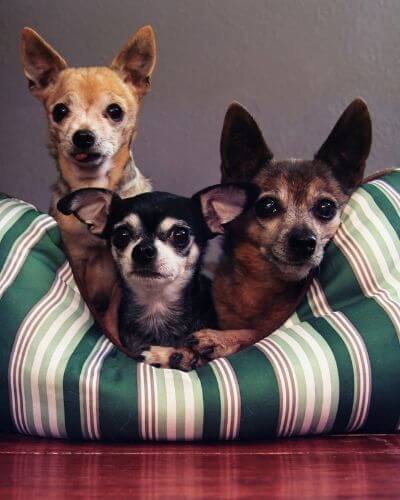
Puppies are born blind (eyes sealed shut), deaf (ear canals closed), and toothless—completely dependent on their mother for survival.
Timeline:
- Eyes open: Around 10–14 days old (but vision is blurry at first!).
- Hearing starts: Around 2–3 weeks old.
- Teeth appear: Baby ("milk") teeth emerge at 3–6 weeks.
- Full senses: By 4–5 weeks, they're playful, barking, and exploring!
Bonus: Newborn puppies can't even poop/pee on their own—their mom licks their bellies to stimulate elimination.
A dogs sense of taste is much less developed than a humans.
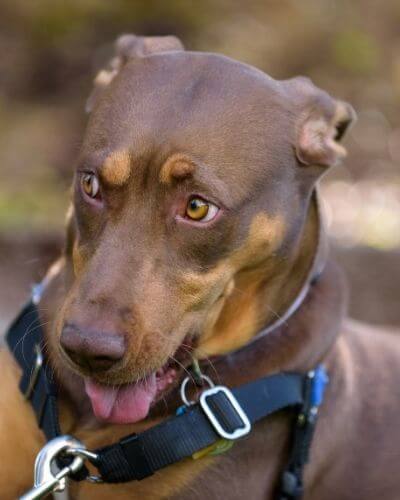
A dog's sense of taste is much less developed than a human's. While humans have around 9,000 taste buds, dogs only have about 1,700. Interestingly, they can detect water with their taste buds—something humans can't do! Also, unlike humans, dogs don’t have a strong preference for sweet flavors, though some may enjoy fruits like apples or blueberries.
Dogs cannot see colors. They are colorblind.

Dogs can see colors, but not the same way humans do. Here's the breakdown:
Dog Color Vision:
- Not fully colorblind (they don't see in pure black-and-white).
- Dichromatic vision: They see blues and yellows best but struggle with reds and greens (which may appear as shades of gray or brown).
- Better motion detection & night vision than humans!
Advertisement
Dogs have a special organ in their mouths that helps them taste smells.
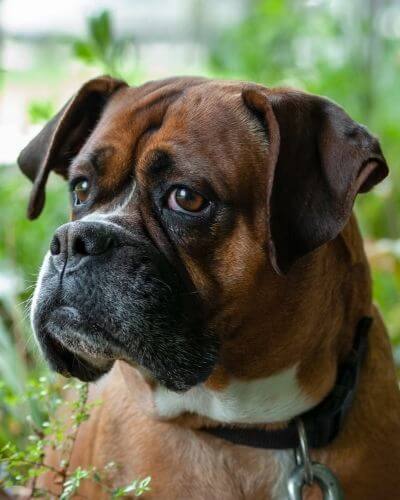
The Jacobson's Organ (Vomeronasal Organ)
- Location: Located in the roof of a dog's mouth, behind the front teeth
- Purpose: Specialized scent detection organ that analyzes pheromones and chemical signals
- Unique ability: Allows dogs to essentially "taste smells" by transferring scents from mouth to nose
- Behavior: When dogs curl their lips and inhale (flehmen response), they're using this organ
- Detection range: Particularly sensitive to undetectable-to-humans chemical cues like mating pheromones and stress signals
- Evolution: More developed in dogs than humans, but less so than in cats and other mammals
Did You Know? This organ helps mother dogs identify their puppies and helps males detect females in heat from remarkable distances!
Regardless of breed, all dogs have three eyelids.
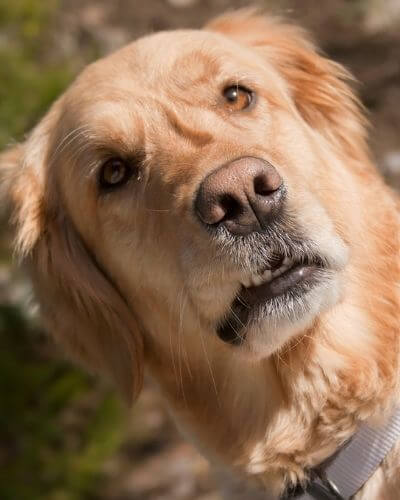
1. Upper eyelid (most visible) 2. Lower eyelid 3. Third eyelid (nictitating membrane) – A hidden, translucent layer that sweeps across the eye for protection and moisture.
University of Missouri-Columbia scientists found that petting a dog can lower human blood pressure up to 10%
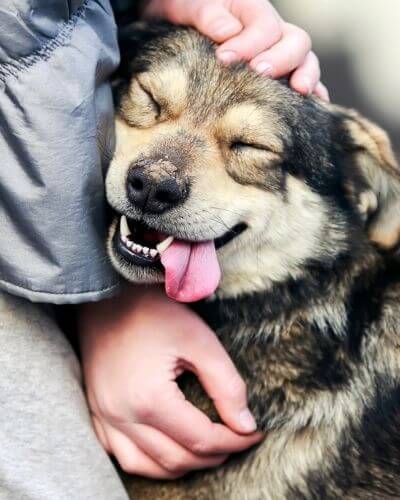
True! University of Missouri-Columbia research confirms:
The Science Behind It:
- 10% blood pressure reduction: Just 15-30 minutes of petting a dog can significantly lower blood pressure.
- Oxytocin boost: The "love hormone" increases in both humans and dogs during positive interactions.
- Stress hormone decrease: Cortisol levels drop during and after dog interactions.
Bonus Fact: These benefits work both ways - dogs experience similar positive physiological changes when bonding with humans!
A dogs pawprint can be used to distinguish one dog from another-just like a human fingerprint.
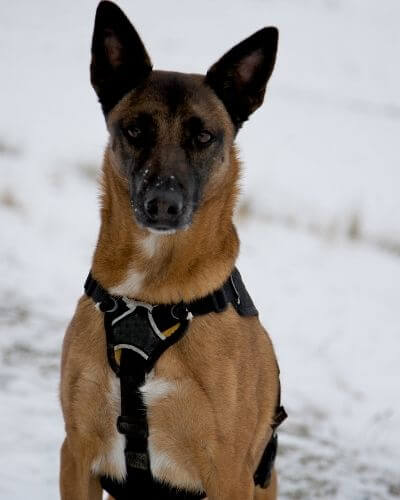
A dog's nose print (not paw print) is unique to each individual—much like a human fingerprint. The patterns of ridges and creases on a dog's nose are one-of-a-kind and can even be used for identification. Some kennel clubs and pet registries have used nose prints as a way to identify lost or stolen dogs, similar to microchipping.
Dogs who have been spayed or neutered live longer than intact dogs.
True! Research confirms spayed/neutered dogs tend to live longer:
Key Findings:
- University of Georgia study: Neutered males lived 13.8% longer, spayed females 26.3% longer than intact dogs
- Reasons for increased longevity: Reduced risk of reproductive cancers, pyometra (uterine infection), and roaming-related injuries
- Breed variations: Some large breeds may benefit from delayed neutering for joint development
Important Note: While statistics show longer lifespans, optimal timing varies by breed/size - consult your vet about the best age for your dog.
Advertisement
Dogs’ normal body temperature is slightly LOWER than humans but they heat up FASTER due to their fur.
False! Here's the truth about dogs' body temperature:
Dog Temperature Facts:
- Higher normal temperature: Dogs run warmer than humans (100.5°F to 102.5°F vs. human 98.6°F).
- Heat up faster: Their fur insulates heat, and they primarily cool through panting (not sweating like humans).
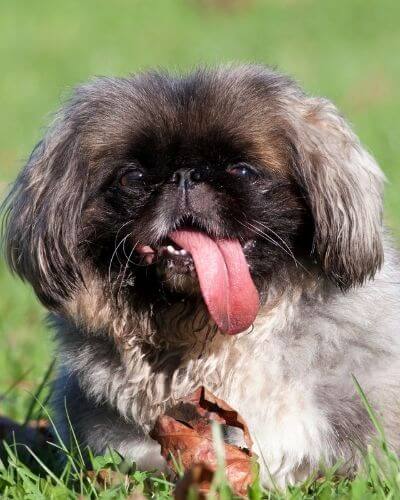
- More vulnerable to overheating: Brachycephalic breeds (pugs, bulldogs) are especially at risk in hot weather.
Fun Fact: A dog's nose is often cooler than their body temperature - it helps regulate their heat!
All dog breeds have 5 "toes" this includes the dewclaw.
False! Dog toe counts vary more than you might think:
The Truth About Dog Toes:
- Standard count: Most dogs have 4 toes per foot plus 1 dewclaw (making 5 total per foot)
- Rear dewclaws: Some breeds (like Great Pyrenees) often have double dewclaws on rear feet
- Dewclaw variations: Many dogs only have front dewclaws, and some are born without any
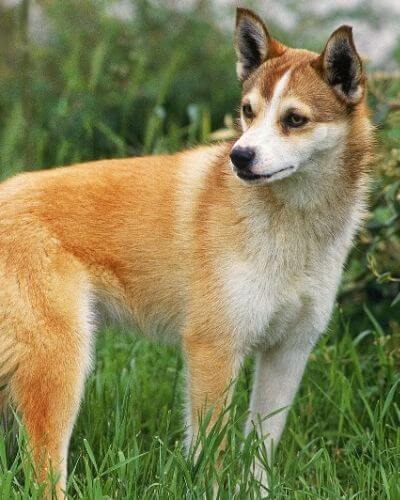
- Breed exceptions: Norwegian Lundehunds have at least 6 toes per foot for climbing!
Fun Fact: Dewclaws are essentially "thumbs" - they're useful for holding toys or bones while chewing!




Share your Results: